









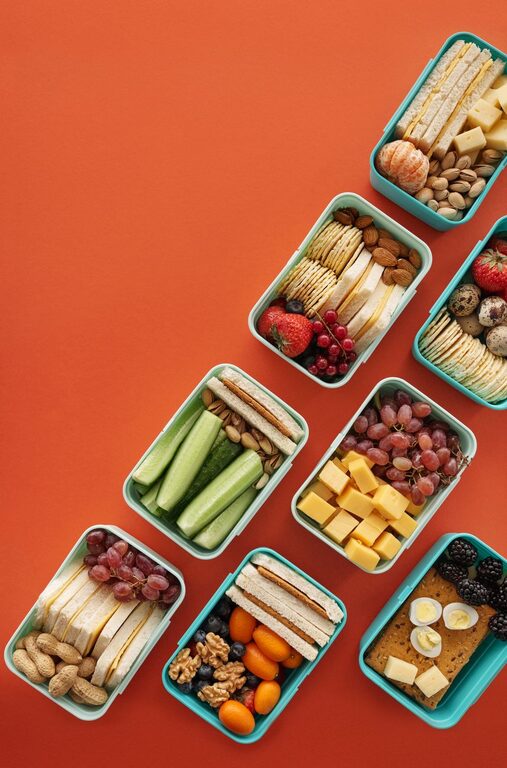
Creating a weekly meal plan can transform your cooking routine, making mealtime less stressful and more enjoyable. Whether you’re a busy professional, a parent juggling multiple responsibilities, or just looking to eat healthier, having a clear plan for your meals can save time, reduce food waste, and help you stick to your nutrition goals. This guide will walk you through the simple steps to create a weekly meal plan tailored to your needs.
Why Plan Your Meals Weekly?
Planning your meals ahead comes with several benefits:
– Saves time: Knowing what you’ll cook eliminates last-minute decisions and multiple trips to the grocery store.
– Reduces stress: Meal planning makes cooking simpler and more organized.
– Controls budget: Buying only what you need helps avoid impulse purchases.
– Supports healthy eating: Planning meals encourages balanced nutrition and portion control.
– Minimizes food waste: Using ingredients across meals reduces leftovers and spoilage.
Step 1: Assess Your Schedule and Needs
Before you start planning, take a moment to look at your week ahead:
– How many meals will you need to prepare at home? Consider work lunches, dinners, and weekends.
– Are there any busy days where a quick meal or leftovers would be best?
– Do you have any social plans or meals out that reduce the number of home-cooked meals?
– Consider dietary preferences or restrictions for yourself and family members.
Knowing your schedule helps you plan practical meals that fit your lifestyle.
Step 2: Choose Your Meals
Start by selecting meals you enjoy that match your time and cooking skills. You don’t have to invent new recipes every week; rotating favorite meals is a great way to keep things simple.
Tips for meal selection:
– Include a mix of proteins (chicken, fish, beans), vegetables, and whole grains.
– Plan for variety, but keep some repeat meals to simplify shopping and cooking.
– Consider batch cooking meals that can be easily reheated.
– Incorporate leftovers. For example, roast chicken one night and use leftovers for sandwiches or salads.
Step 3: Create Your Meal Plan Template
Use a simple weekly calendar template to organize your meals. You can create this on paper, a spreadsheet, or a meal planning app.
Here’s a basic example:
| Day | Breakfast | Lunch | Dinner |
|———–|———————–|———————-|————————–|
| Monday | Oatmeal with fruit | Turkey sandwich | Grilled chicken & veggies|
| Tuesday | Yogurt with granola | Salad with chickpeas | Spaghetti & meat sauce |
| Wednesday | Smoothie | Leftover spaghetti | Stir-fry with tofu |
| Thursday | Eggs and toast | Soup and crackers | Baked salmon & quinoa |
| Friday | Pancakes | Wrap with veggies | Homemade pizza |
| Saturday | French toast | Leftover pizza | BBQ chicken & salad |
| Sunday | Bagels and cream cheese| Picnic lunch | Roast beef & potatoes |
Feel free to adapt based on your preferences.
Step 4: Make Your Shopping List
Once you have your meal plan, write down all the ingredients you’ll need. Organize your list by grocery store sections (produce, dairy, meat, pantry) to make shopping efficient.
Helpful hints:
– Check your pantry and fridge first to avoid buying duplicates.
– Plan meals around overlapping ingredients to use items fully.
– Include staples like spices, oils, and condiments if you’re running low.
Step 5: Prep Meals in Advance
Saving time during busy days is easier if you prepare some ingredients or meals ahead of time.
You can:
– Chop vegetables and store them in airtight containers.
– Cook grains like rice or quinoa in bulk.
– Make sauces or dressings ahead.
– Batch cook proteins like chicken or beans.
Prepare what suits your schedule and freezer space best.
Step 6: Stay Flexible and Adjust
Even the best meal plans may need tweaking. Unexpected events or cravings happen.
– Allow for some flexibility—swap meals within the week if needed.
– Use leftovers creatively to avoid waste.
– Keep a backup list of easy meals like frozen veggies or canned soups for busy days.
Over time, you’ll find what works best for you and your household.
Bonus Tips for Success
– Keep it simple: Don’t overcomplicate your plan with fancy dishes every day.
– Use seasonal produce: This keeps meals fresh and often more affordable.
– Get everyone involved: Let family members choose meals or help with prep for added fun.
– Track your progress: Note meals you loved or improvements for next week.
Conclusion
A simple weekly meal plan can make your life easier and your meals more nutritious. By assessing your schedule, choosing meals thoughtfully, organizing a plan, and prepping in advance, you set yourself up for a successful week of cooking. Start small, keep it realistic, and enjoy the benefits of stress-free meals!
Happy planning and happy cooking!