









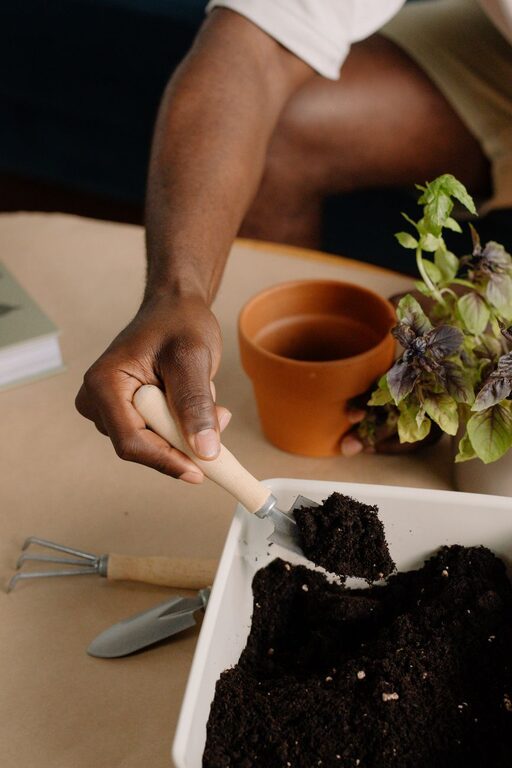
Growing your own herb garden indoors is a rewarding and practical way to bring fresh flavors and greenery into your home. Even if you have limited space or no outdoor garden, starting a small herb garden indoors is easy and enjoyable. With a few basic supplies and some care, you can harvest fresh herbs year-round.
In this guide, we’ll walk you through everything you need to know to create your own indoor herb garden, from choosing the right herbs to maintaining them successfully.
Why Grow Herbs Indoors?
Indoor herb gardening offers many benefits:
– Freshness: Pick herbs straight from your kitchen whenever you need.
– Convenience: No need to run to the store for common herbs.
– Cost-effective: Prevents buying expensive fresh herbs frequently.
– Decoration: Adds natural beauty and a pleasant aroma to your living space.
– Learning experience: Great for beginners interested in gardening.
Before you start, consider the space you have—windowsills, countertops, or shelving can all work as spots for your herbs.
Choosing the Right Herbs for Indoor Gardening
Some herbs are better suited for growing indoors because they require less space and thrive with moderate light. Here are popular options:
– Basil: Needs plenty of sunlight and warmth.
– Parsley: Thrives in indirect light, slow-growing.
– Mint: Very hardy but can spread quickly in containers.
– Thyme: Prefers sunny spots, grows well in pots.
– Chives: Simple to grow and harvest fresh snips.
– Cilantro: Likes cooler temperatures and bright light.
– Oregano: Drought-resistant and loves sunlight.
Choose 3-5 herbs to start with, giving you a manageable garden without overwhelming your space or time.
What You’ll Need to Start
Before planting, gather these essential supplies:
– Containers with drainage holes: Pots, recycled jars or small planters.
– Potting mix: Use a well-draining, light soil mix specifically for indoor plants.
– Seeds or starter plants: You can start from seed or buy small herb seedlings.
– Light source: A sunny window or supplemental grow light.
– Watering can: Small and easy to handle.
– Labels (optional): To keep track of what you’ve planted.
Step-by-Step Guide to Planting Your Indoor Herb Garden
Step 1: Select Your Containers
Pick pots that are about 4-6 inches deep, with drainage holes to prevent waterlogging. Herbs need good drainage to avoid root rot.
Step 2: Fill With Potting Mix
Fill your containers with fresh potting mix, leaving about an inch of space at the top.
Step 3: Plant Your Herbs
– Seeds: Follow the packet instructions. Usually, plant seeds a bit below the soil surface and keep moist.
– Seedlings: Gently loosen the roots and plant them at the same depth they were growing in their nursery pots.
Step 4: Find the Right Spot
Place your pots in a location with at least 4-6 hours of sunlight daily. A south or west-facing window is ideal. If natural light is limited, use LED grow lights placed about 6-12 inches above the plants.
Step 5: Water Properly
Water when the top inch of soil feels dry. Avoid overwatering; herbs don’t like soggy soil. Water enough so it drains from the bottom of the pot.
Step 6: Feed Your Plants
Use a balanced, water-soluble fertilizer once every 4-6 weeks to keep your herbs healthy.
Caring for Your Indoor Herb Garden
Pruning and Harvesting
Regularly pinch back the growing tips to encourage bushier growth and prevent your herbs from flowering too early. Harvest leaves as needed, but avoid removing more than one-third of the plant at a time.
Monitoring for Pests
Indoor herbs may attract pests like aphids or spider mites. Check leaves often and wipe them gently to remove pests. In case of infestation, treat with mild soapy water or insecticidal soap.
Maintaining Humidity and Temperature
Herbs generally prefer temperatures between 65-75°F. Indoor air can be dry during winter, so mist your plants occasionally or use a humidity tray to keep them comfortable.
Troubleshooting Common Indoor Herb Issues
– Yellow leaves: Often caused by overwatering or poor drainage.
– Leggy growth: Indicates insufficient light; move plants closer to a bright window or add grow lights.
– Slow growth: Fertilize lightly and ensure proper watering.
– Wilting: Check soil moisture and adjust watering routine.
Tips for Expanding Your Herb Garden
Once you’re comfortable with a few herbs, consider adding more variety or experimenting with different containers. Hanging planters or vertical gardens can maximize space, and combining herbs with small vegetables like lettuce or radishes can make your indoor garden even more productive.
Final Thoughts
Starting a small herb garden indoors is a wonderful way to connect with nature, enhance your cooking, and add life to your home. With minimal space and effort, you can enjoy fresh herbs all year round. Remember, patience and regular care are key — soon you’ll have a thriving indoor oasis of aromatic greens.
Happy gardening!